Landscaping Service in Shakopee MN: Enhance Pathways, Beds & Features
Shakopee has a way of exposing every landscaping decision. A pretty layout can look tired by midsummer if the soil is fighting the plants, drainage is off, or edging has been neglected for too long. Meanwhile, the freeze-thaw cycles do not care how nice your yard looked last fall. That is why a landscaping service in Shakopee MN has to be more than “plant some stuff and call it done.” It has to be practical, seasonal, and detail-oriented, especially around pathways, planting beds, and hardscape features that take the beating.
When homeowners call for help, they usually start with a visible problem: weeds spilling into beds, a lawn that thins in the same spots each year, or a walkway that looks uneven after the weather. But the real work is usually under the surface, in how beds are prepared, how water moves, how trees and shrubs are placed, and how lawn mowing service Shakopee schedules align with growth cycles. Done well, the changes are obvious within weeks, and they keep paying off year after year.
The yard Shakopee weather creates, and what it demands
Shakopee sits in a part of Minnesota where winter comes hard, spring can be fast, and summer swings between humid stretches and drying winds. You can’t treat landscaping like a static project.
- Freeze-thaw can heave pavers, shift edging, and expose roots that were buried too shallow.
- Heavy spring rains can saturate low areas and encourage weeds and algae growth near hardscape.
- Summer sun and heat can reveal soil compaction from foot traffic, vehicles, or poorly routed drainage.
You notice it in small ways first. A bed border starts to wave, mulch blows out a corner, or grass creeps into a planting area. Then it escalates. Once weeds establish themselves in a bed edge gap, they travel. Once water consistently pools against a foundation, it finds a route into it. Once tree roots push under walkways, repairs get more expensive.
A good landscaping design installation Shakopee approach accounts for those realities from day one. It prioritizes structure, drainage, and long-term plant health, rather than focusing only on what looks good during a walkthrough.
Pathways: where curb appeal meets real-world wear
A pathway seems simple until you watch how people use it. Foot traffic concentrates in certain areas, especially from the driveway to the front door or from a patio door to the grill area. In Shakopee, those routes also deal with meltwater in spring and salt tracking in winter.
The best-looking walkways are usually the ones that are built to move water away from the base. That means proper base preparation, correct grading, and materials that can handle Minnesota freeze conditions without shifting too much.
When homeowners ask for “a walkway upgrade,” I usually start by asking a different question: where is the water going when it rains? If the answer is “over the grass,” you might be fine for a season. If the answer is “toward the house” or “sitting in a low spot,” the walkway can become a recurring maintenance issue.
Common pathway problems I see include:
- uneven stepping stones where settling has created trip hazards
- paver edges breaking down because the bedding and restraints were insufficient
- gaps at the joints that become weed highways
- drainage that routes water under the surface instead of away from it
The fix is not always more gravel on top. Sometimes it is regrading, resetting materials, and adding landscape edging Shakopee that actually holds the line. In other cases it is redesigning the route slightly, so water and foot traffic naturally stay where they belong.
Landscape beds: the difference between “mulch” and a system
A mulched bed can look great for a while and still fail fast. The problem is that mulch is not the real foundation. The foundation is soil structure, weed control, spacing, and how edges are built to separate bed and lawn.
Most people get the same story from weeds: they appear right where the bed meets the grass. If that edge is soft, uneven, or buried under creeping lawn roots, weeds have a direct pipeline to the surface.
Good bed installation starts with preparation:
- clearing the site and removing enough existing root material to reduce regrowth
- adjusting soil where plants will be placed, rather than assuming every plant will “figure it out”
- planning bed depth so plants have room without being overwhelmed by mulch thickness
- building edges that create a clean separation even after weather, mowing, and settling
Mulch helps, but it is not a substitute for that foundation. Over time, mulch compacts. If the bed was built too shallow, plant roots end up competing with the lawn or drying out faster. If the bed is too deep, water can sit too long in certain seasons. The right bed depth depends on drainage conditions and how close the bed sits to foundations or driveways.
There is also the matter of maintenance practicality. I have seen “beautiful” designs that are nearly impossible to weed without stepping into plants. A better approach is to plan bed layouts with access in mind, so lawn care Shakopee work can stay efficient and homeowners can actually keep up.
Landscape edging Shakopee MN: small border, big impact
Edging is one of those details that people underestimate until it fails. When edging is done right, beds stay sharp and mowing is easier. When edging is skipped, you get grass creeping in, mulch spilling out, and weeds filling gaps.
Landscape edging Shakopee MN services tend to focus on two things: containment and separation. Containment keeps materials where they belong. Separation keeps lawn from sending roots and blades into the bed.
The choices vary depending on the style of the home and the condition of the ground:
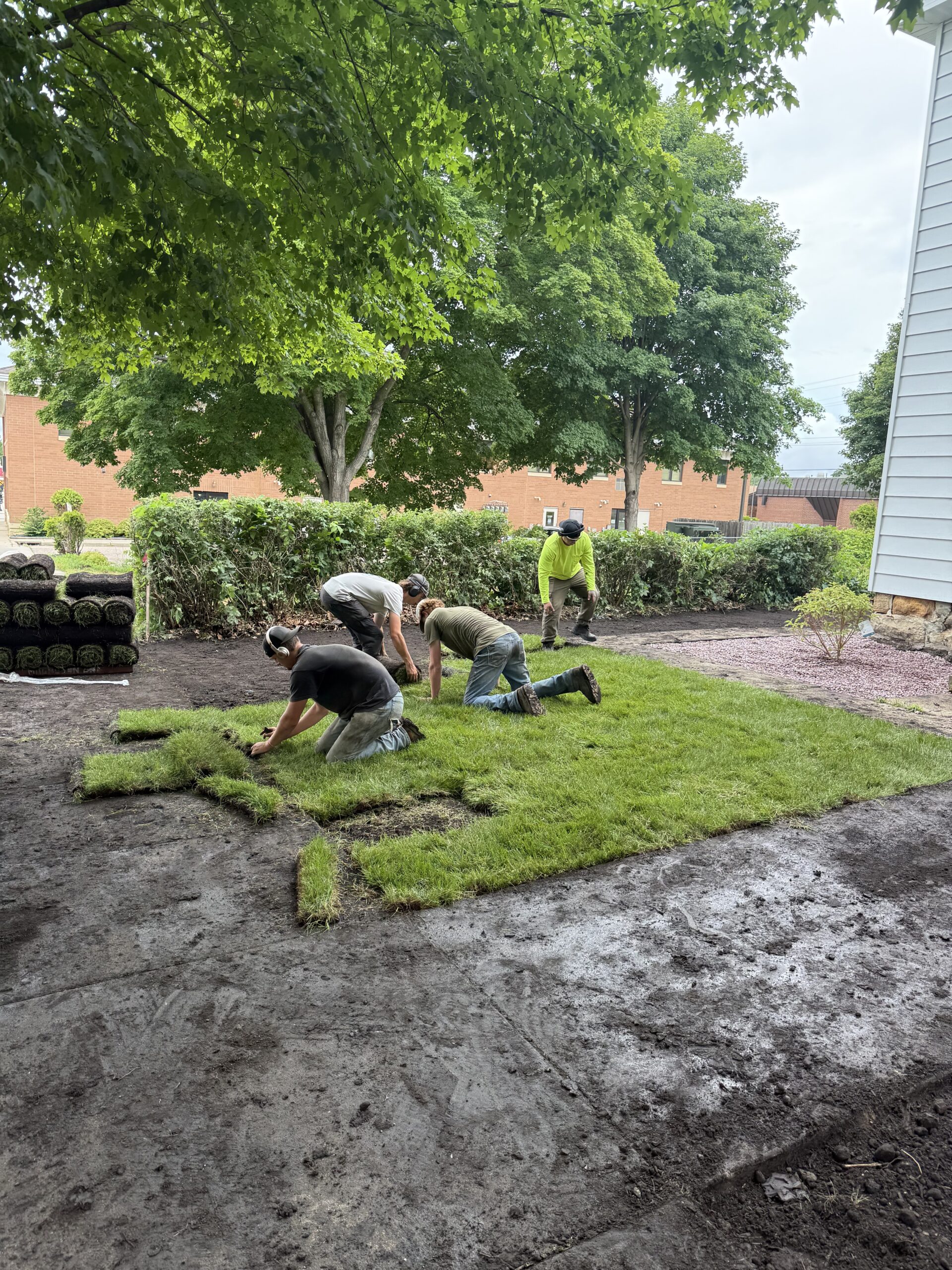
- Plastic or metal edging can work well when the base is properly installed and secured.
- Stone edging creates a more natural boundary and can look integrated with planting.
- Curbs and integrated hardscape edges are common when a homeowner wants a more permanent, “finished” look.
The biggest mistake I see is installing edging on top of poor grading. If the ground under an edge is unstable, the edging will shift and the separation line will open again. In Shakopee, where the ground can heave after winter, that matters. A durable edge is not just a material choice, it is also about how the base and subgrade are built.
If you have ever fought the same weed patch year after year, the edge is usually part of the problem. Once the border is corrected, maintenance gets noticeably easier.
Landscaping design installation Shakopee: designing for how people live
A yard should not look like it was designed to win a contest and never used. It should fit daily habits: where doors open, how kids and pets move, where people park a grill, and where you actually walk when you step out for mail or a quick check.
In my experience, the best landscaping design installation Shakopee projects start with a few real-life questions:
- Which areas do you want to see first from the street?
- Where do you walk without thinking?
- Do you have shaded spots that stay wet, or sunny zones that dry quickly?
- Are there plants that already struggle in specific corners?
From there, the design becomes easier. You build beds where people will naturally look and where plants will thrive. You place shrubs and trees to frame sightlines without blocking growth into walkways. You plan the spacing so mature plants do not become maintenance headaches.
It is also where priorities show. Some homeowners want a cleaner look, others want privacy, and some want to reduce yard work. All of those goals are compatible, but the plant selections and hardscape placement need to match the goal.
One common trade-off: homeowners sometimes want low-maintenance beds with minimal mowing. That can be achieved, but it requires accepting that certain areas may need mulched bed coverage instead of lawn. If you want everything to stay green and lush, the design has to incorporate a thicker lawn plan or a more intensive irrigation and mowing schedule. There is no magic shortcut, only choices.
Lawn mowing service Shakopee: the maintenance layer that keeps everything else working
Even with great installation, the lawn is still part of the landscaping system. It is the boundary, the backdrop, and the season-to-season indicator of soil health.
A reliable lawn mowing service Shakopee can make a noticeable difference for reasons that go beyond convenience. Regular mowing at the right height reduces stress, helps the grass compete, and prevents certain weeds from taking advantage of neglected growth.
But mowing alone is not the whole story. If a yard has compacted areas near pathways, or if water drains into the same spots each spring, mowing will not fix the root cause. That is where coordination matters. The mowing team needs to know where beds and edges are, and the landscaping team needs to communicate any drainage or grading adjustments that affect turf performance.
In practice, many homeowners blend services over time:
- mowing keeps the lawn looking clean while beds mature
- edging and bed maintenance keep borders crisp
- seasonal tree service in Shakopee helps maintain clear sightlines and reduce stress on nearby plants
When those pieces work together, the yard looks intentional instead of constantly “being cleaned up.”
Tree service in Shakopee: health, clearance, and long-term planning
Trees are a major part of landscape character, especially in Minnesota where shade and structure matter. But tree service in Shakopee is not only about removals after something goes wrong. It is about managing health and reducing future conflicts with the rest of the property.
A tree that is leaning, shedding branches unusually, or showing dieback in a canopy section may need evaluation. Roots can also influence pathways and bed health, and the placement of larger trees affects how sun and moisture land across the yard.
Here are the practical categories homeowners often deal with:
- clearance problems around driveways, sidewalks, or rooflines
- shaping and canopy management to improve structure and airflow
- storm response after wind events
- proactive planning when trees are planted or relocated near hardscape
One of the most common “surprises” is how much a tree changes a bed over time. A shrub that looked fine in the first year may struggle under deeper shade and changing soil moisture patterns. The solution is not always to remove the shrubs. Sometimes it is redesigning the bed to include shade-tolerant plants, adjusting mulch depth, and refining irrigation needs.
Tree work also affects safety during landscaping. If you are planning new pathways or bed installations, timing matters. Doing hardscape and then later removing or reshaping trees can force rework if branches scrape materials or if root management affects the area. A good service sequence prevents that.
Features that elevate a yard: patios, seating walls, and focal points
Some landscaping projects are driven by a desire for “more than grass.” Features create focal points and give the yard a reason to be enjoyed, not just maintained.
In Shakopee, common upgrades include:
- stepping stones that connect key doors to a patio or driveway
- seating areas under trees where the yard feels like a destination
- small retaining walls or border walls to handle slopes and prevent soil movement
- entryway enhancements like bed framing and curated plant groupings
The key is to design features so they serve function and age well. Retaining walls, for example, need appropriate drainage behind them. Seating areas need stable bases and sensible grading so rain does not pool around furniture. Even garden focal points need to be planned with growth size in mind, so they do not turn into obstruction.
When these features are paired with clear pathways and well-kept edging, the entire property starts to look “assembled,” not patched together.
Soil, drainage, and the unglamorous work that prevents headaches
Most homeowners want the visible result: a cleaner bed line, brighter plant color, a walkway that looks straight. But the long-term success often depends on invisible decisions.
Drainage is the biggest one. If water consistently flows into a bed and saturates the same area, you can get plant stress and weed problems. If water flows toward a foundation, you might deal with dampness and soil erosion. If water pools along an edge, the edge line will shift over time.
Soil structure matters too. Some yards have compacted clay zones, especially near old paths or where construction equipment disturbed the ground. Plants can survive, but they struggle. Grass can look fine in early season and thin out in the middle of summer. That is often the sign you need soil amendment and a plan that matches the yard’s natural conditions.
When a landscaping service in Shakopee MN does the groundwork, the rest of the project stays easier. Plants establish instead of fighting. Edges hold their lines. Walkways need fewer repairs.
Seasonal timing in Minnesota: when to plan and when to act
Timing is not just a calendar concept, it is a survival factor for plants and a safety factor for hardscape work.
Early spring and fall can be great windows for bed installation and planting, because temperatures are gentler and plants focus on root development. Summer can work too, but it usually requires more attention to watering and selection, especially for new plantings in full sun areas.
For lawn care Shakopee, mowing schedules should align with grass growth and recovery. Over-cutting during stressful heat can make a yard look worse even if you mow more often. Under-cutting lets growth smother and encourages certain weeds.
Hardscape and edging projects often depend on weather patterns and soil readiness. If the ground is too wet, compaction and settling become bigger risks. If the ground is too frozen, work time and material setting can become unpredictable.
A reliable team takes that seriously. They do not rush just to “get on the schedule.” They coordinate the work so the installation has a chance to set correctly.
What a quality service process looks like, from first visit to follow-up
The difference between a one-off project and a true landscaping service is the process. You should feel like your yard is being evaluated, not just serviced.
A good starting point is a walk-through where the team looks closely at patterns: where water runs, how weeds show up, which areas stay shaded longer, and where lawn struggles consistently. You should also be asked questions about what you want to feel when you look out the window, not just what you want changed.
Here is what many homeowners experience when they work with a thoughtful team:
- A site walk with attention to drainage, sunlight, existing plant health, and high-traffic areas
- A practical plan that balances design goals with maintenance reality
- Installation that respects base preparation, edge containment, and plant spacing for mature sizes
- Follow-up guidance so the yard transitions smoothly into its new rhythm
You should also know what is not promised. No responsible landscaping team can guarantee plant behavior in every microclimate. What they can do is choose appropriate species for the site, build properly, and plan for how Minnesota weather impacts establishment.
Trade-offs you should expect, even with great planning
Landscaping is full of good intentions meeting physics. A few realities come up often:
If you reduce lawn size to lower mowing and weed pressure, you may need to accept more bed maintenance in the short term while plants establish. Once beds are mature, maintenance usually becomes more manageable, but the transition period matters.
If you want a crisp edge line, you may need periodic edging adjustments. In Shakopee, ground movement is real. Even well-installed borders can shift slightly over time, especially where the ground holds moisture.
If you add hardscape near existing trees, you may face root concerns. Sometimes the best solution is to route the walkway differently. Sometimes it is to coordinate timing with tree work. The “right” choice depends on the location, tree health, and how you want the property to function.
The best crews are honest about these trade-offs upfront. They do not sell a perfect outcome, they build the best outcome available for your yard.
Keeping it looking sharp after installation
After beds and pathways are installed, the yard needs a transition period. New plants are settling in, edges are learning their final position, and mulch needs to stay where it belongs.
A homeowner-friendly routine usually starts with small, manageable habits:
- keep mulch topped up before it thins out at the corners
- weed early while patches are small
- keep mower decks from scarring bed edges, especially right after installation
- watch drainage spots after heavy rains, then address issues early
If you choose a lawn mowing service Shakopee that communicates with your landscaping maintenance, it helps a lot. Teams can coordinate mowing height and mowing paths so they do not wear down edges that were built to protect beds.
A short look at common project goals
Most calls I get fall into a handful of buckets. Sometimes it is one big project, other times it is a “fix the yard” request that ends up being a set of connected upgrades.
Common reasons homeowners hire a landscaping service in Shakopee MN
- Refreshing bed lines and reducing weed spread through better edging and soil prep
- Installing or reworking pathways to improve safety, appearance, and drainage
- Adding privacy or structure with shrubs and tree service in Shakopee where needed
- Upgrading lawn appearance and consistency with coordinated mowing and bed maintenance
- Building a more cohesive look with design and installation that ties features together
Getting an estimate: how to ask the right questions
Estimates can be confusing because the scope changes based on site conditions. You want clarity on what is included and what decisions are still open.
A clear way to approach the conversation is to ask about site prep, drainage handling, and edging plan. Also ask how plant choices account for sun exposure and soil moisture in your yard.
Here is a simple set of questions that tends to uncover the most useful details:
- What is included in base preparation for paths or hardscape, and how will drainage be handled?
- How will you prepare and amend soil for new beds?
- What edging materials and installation methods are recommended for my yard conditions?
- How do you plan plant spacing and maintenance expectations for the first year?
- Will tree service be coordinated with the landscaping design if needed?
When those answers are solid, you are much more likely to get google.com a result that looks good now and still holds up after a few seasons.
Ready to enhance your pathways, beds, and features
If your yard in Shakopee looks patchy, feels harder to maintain than it should, or keeps repeating the same issues at the same spots, it is often not a “you problem.” It is usually a design and installation alignment problem, edging and drainage details, or a plant selection mismatch to your site conditions.
The good news is that improvements can be targeted. You do not always have to redo everything. A well-designed set of bed updates, backed by sturdy landscape edging Shakopee MN installation, plus a walkway that routes water correctly, can transform how your home looks and how your yard behaves in daily use.
If you are considering updates, think about what you want to see first when you pull into the driveway, what you want to walk safely on, and where you want the yard to feel inviting. From there, a landscaping service can help turn those goals into a plan that fits Shakopee’s climate and your actual maintenance tolerance.
And once the foundation is right, the rest follows: cleaner edges, healthier beds, a lawn that grows evenly, and features that make your property feel finished instead of constantly under repair.
JCJ Landscaping and Snow Removal
7 West Travelers Trail, Unit 391, Burnsville, MN(55337)
(952) 649-6655
[email protected]
Website: https://jcjpropertymaintenance.com